Search Site
30 West Broad Street, Suite 100 | Rochester, New York 14614

Pick Up The Phone & Protect Your Rights
866-772-2122

New York recently enacted the Clean Slate Act, a law designed to limit public access to certain criminal convictions after a period of time. While the law creates meaningful opportunities for individuals to move forward, it is important to understand exactly what it does—and what it does not do.
This is not an expungement statute. It does not erase a conviction.
What the Clean Slate Act Does
The Clean Slate Act allows for the automatic sealing of certain convictions after a waiting period, provided a person remains law-abiding.
- Misdemeanors may be sealed after 3 years
- Certain non-violent felonies may be sealed after 8 years
The waiting period runs from the later of sentencing or release from incarceration.
To qualify, an individual must:
- Have no new criminal convictions during the waiting period
- Have no pending criminal charges
- Not be under probation, parole, or post-release supervision
Once sealed, the conviction will generally not appear on background checks used by employers or landlords.
What Sealing Actually Means
Sealing limits public access to a conviction.
It does not:
- Vacate the conviction
- Dismiss the case
- Remove the conviction from your record
The conviction still exists and remains accessible to law enforcement, prosecutors, and the courts.
Important Limitations
Not all cases qualify for sealing. Certain offenses—including more serious crimes and sex offenses—are excluded.
Additionally, sealed records may still be accessed by:
- Courts
- Prosecutors
- Law enforcement agencies
- Certain licensing authorities
This distinction is critical. The law is designed to improve employment and housing opportunities—not to eliminate the legal consequences of a conviction.
Can a Sealed Conviction Be Used Against You Later?
Yes.
A sealed conviction can still be used in future criminal proceedings.
This includes:
- Establishing predicate felony status
- Supporting persistent offender enhancements
- Elevating future charges based on prior convictions
In other words, while the public may not see the conviction, the criminal justice system still can—and will.
Why This Matters
Many people hear “Clean Slate” and assume their record is wiped clean. That is not the case.
The law provides real benefits in everyday life, particularly when it comes to employment and housing. However, it does not protect against enhanced penalties if a person is charged with a new offense in the future.
Understanding this distinction is essential when evaluating risk, plea decisions, or long-term legal strategy.
Final Thoughts
The Clean Slate Act is a positive development and will help many individuals move forward. But it is not a substitute for other forms of relief, such as vacating a conviction or pursuing post-conviction remedies.
If you have questions about whether your record may be sealed—or how a prior conviction could affect a current case—our office can provide guidance based on your specific situation.
Contact Riotto Law
If you need assistance with record sealing or are facing new charges, contact our office to discuss your options.
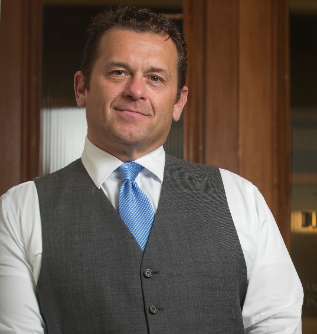
James L. Riotto
Criminal Defense Lawyer
James L. Riotto is an accomplished criminal defense attorney serving clients in New York. With an extensive background in law enforcement and criminal prosecution, his approach to each case is unique and informed by years of experience with the New York criminal justice system. As a graduate from Albany Law School and before going on to start his own practice, James worked at the Albany County District Attorney's Office, where he helped prosecute many DWI offenses. His inside knowledge of the tactics used to gain convictions provides him with a particular advantage when defending against DUI and other criminal charges.

Adam D. Staier
Of Counsel
About Attorney Adam Staier has spent the last seven years practicing criminal defense law throughout upstate New York and the Capital Region. He began his legal career through internships in civil law, indigent legal representation and federal energy law regulation. Finding a passion in criminal law, Mr. Staier held internships handling both prosecution and defense…
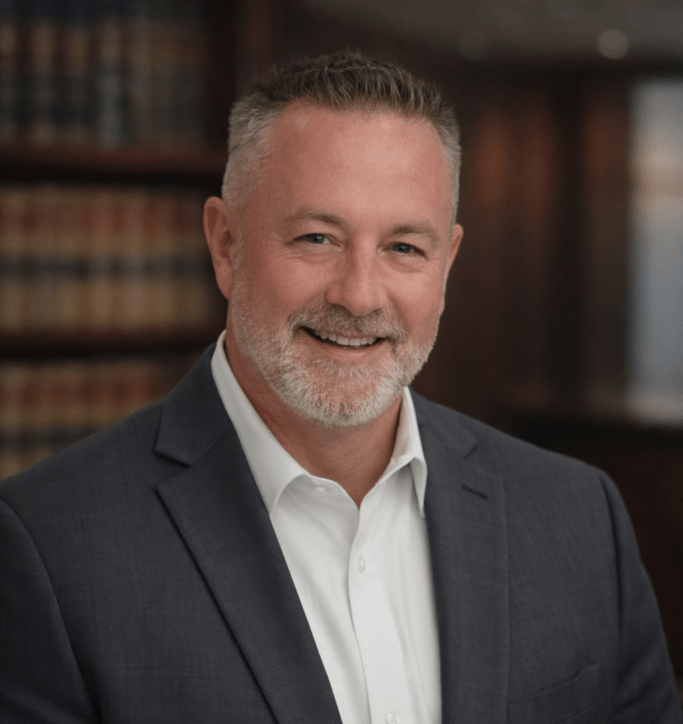
William M. Swift
Associate Attorney
About William M. Swift is an associate attorney at the Law Office of James L. Riotto and brings 20 years of experience to our clients. His practice focuses on personal injury cases and criminal matters. He has successfully represented individuals in felony, misdemeanor cases. Additionally, he has extensive knowledge in DMV administrative proceedings involving suspensions…
-
What to do if pulled over for a DUI
How to deal with a DWI traffic stop
How you handle getting pulled over for a DUI/DWI can significantly affect your defense down the road. For instance, declining the officer's request to search your vehicle and avoiding specific answers when asked about any substances you may have consumed could help you when combating DUI/DWI charges in court.READ MORE![]()

Reviews and Ratings
-
 5.0/5.0
Stellar experience with this Top Notch Law Firm!!! James, Bill and Isabelle are true Artisans at their craft. My family can't thank you enough for your...
-
 5.0/5.0
They were great , got back to me immediately once contacted . Michaela handled everything and got the results I was hoping for regarding my daughter’s traffic tickets . I am so grateful for everything!!! I would use them again if needed and highl...
-
5.0/5.0
I had a really great experience working with Riotto Law, Megan got my ticket reduced down to zero points. Would highly recommend!
-
5.0/5.0
Highly recommend the Law Office of James L. Riotto. They handled my son speeding ticket and were able to get the case dismissed. The team was professional, responsive, and made the entire process very easy for us. We’re incredibly grateful for the ...
-
5.0/5.0
This firm gets the job done, thank you So much for your expertise and professionalism, highly recommended
Choose a location to review
Law Offices of James L. Riotto Law office locations:

We Accept the Following Payment Solutions 
Contact us
